Kettlebell Training for Beginners
You do not need to be strong, flexible or experienced to start. You need one bell, six movements and a coach watching your hinge. Here is exactly how beginners learn kettlebells at Liberty Bells in Leander, TX — what to learn first, what weight to use, how often to train, and what your first month looks like.
The Six Movements to Learn First
Almost everything worth doing with a kettlebell comes out of these six. These movements form the foundation of all kettlebell training, which includes learning the snatch, double kettlebell training, and kettlebell flows, complexes, and chains.
Deadlift
Before anything swings, you learn to hinge. Push the hips back, keep the spine long, stand up tall. Every other lift on this list is built on it.
Goblet Squat
Bell at the chest, elbows inside the knees, sit down between your feet. The counterweight teaches better squat depth and posture than an empty bar does.
Swing
The hinge done fast. Hips snap, the bell floats to chest height, arms are just rope. This is the movement that builds most of your conditioning.
Clean
Getting the bell to the rack position without banging your forearm. Once you own the clean, presses and complexes open up.
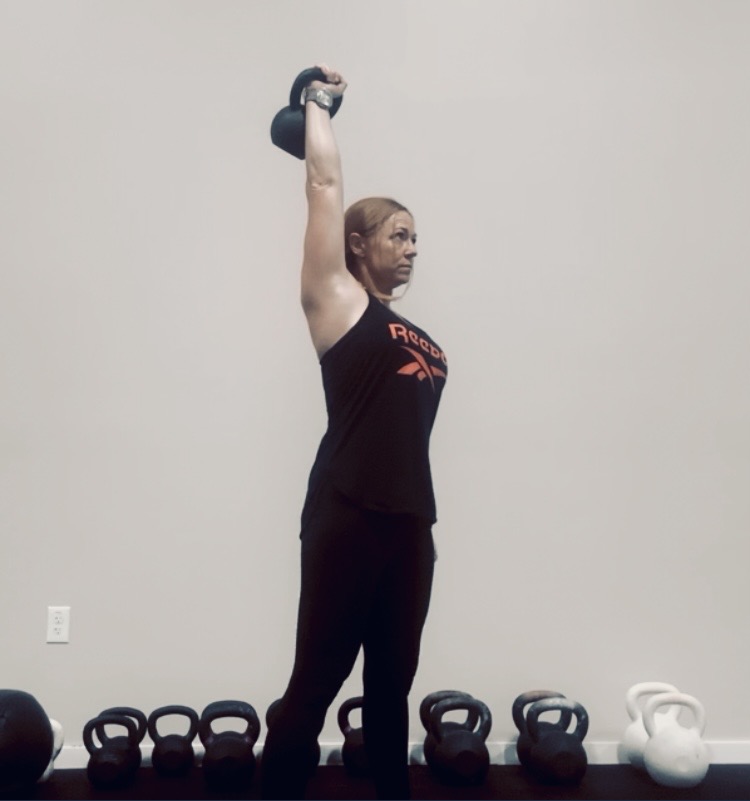
Press
Strict overhead press from the rack. Ribs down, glutes tight, push yourself away from the bell. This builds shoulders that stay healthy.
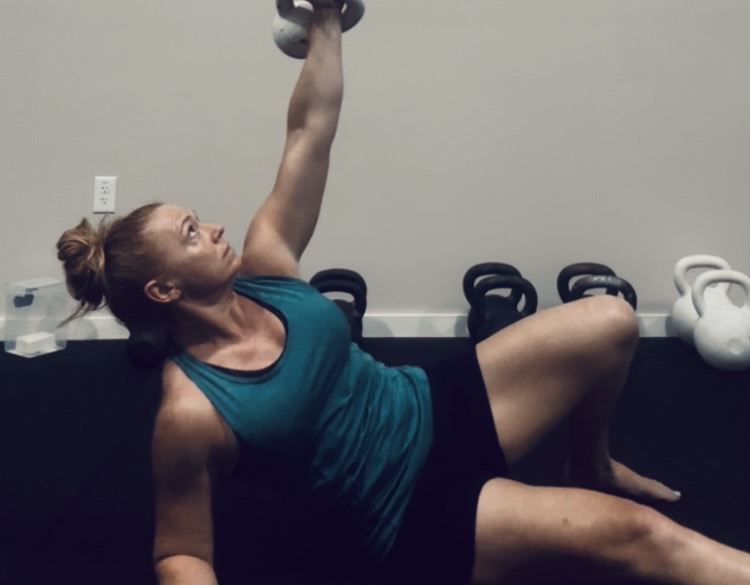
Turkish Get-Up
Slow, deliberate, from the floor to standing with a bell overhead. It is the best shoulder-stability and full-body-control drill we know.
Want the detail on the movement you will use most? Read about the benefits of the kettlebell swing, or see what the Turkish get-up builds.
Choosing Your First Bell
A kettlebell that is too light is the most common beginner mistake. The bell has to be heavy enough that your hips have to work — otherwise your arms take over and you never learn the hinge.
- Swings, most men: 16 kg (35 lb) is the usual starting point.
- Swings, most women: 12 kg (26 lb), sometimes 8 kg for a first session.
- Presses and get-ups: go a size or two lighter than your swing bell.
- Buying nothing: also fine. The gym has the full range, and we size you on day one.
Mistakes We Fix Every Week
- — Squatting the swing instead of hinging it.
- — Buying a bell that is far too light — 8 kg rarely does much for anyone.
- — Chasing reps before the pattern is clean.
- — Skipping the get-up because it feels awkward at first.
- — Training hard five days in a row, then nothing for two weeks.
How You Progress
We progress you on what you can do, not on how long you have been here. Coaches watch every rep and move you forward when the movement is ready — some people fly through a stage, others stay a while. Nobody is thrown into the deep end, and nobody is held back.
Own the hinge
Deadlifts and goblet squats, light. You move on when you can hinge without thinking about it — for some people that is one session, for others it is several.
Add the swing
Short sets with long rests. Volume goes up only once the hinge holds together rep after rep, not because a certain number of days have passed.
Rack and press
Cleans, presses and carries join in when your swing is solid. Grip and forearms usually set the pace here, and that is fine.
Put it together
Full group sessions: swings, squats, presses and get-up practice, loaded and paced to where you actually are that day.
Where Beginners Start With Us
Saturday at 9:00 AM is our Beginner Kettlebell class — the easiest place to take a first swing. Weekday group sessions run at 6:00 AM, 8:30 AM, 12:00 PM, 5:00 PM and 6:00 PM, and every one of them is scaled to the person holding the bell.
Your first class is free. No experience, no equipment, no commitment needed.
Beginner Questions
What kettlebell weight should a beginner start with?
Most men start with a 16 kg bell and most women with a 12 kg bell for swings, going lighter for presses and get-ups. We size the bell to you on your first visit, so you do not have to guess or buy anything.
How often should a beginner train with kettlebells?
Two or three sessions a week is plenty to start. Once the movements are clean you can train most days, because our programming rotates patterns — lunges one day, goblet squats the next.
Do I need to be fit before I start?
No. Beginner classes are built for people coming in cold, and every movement scales. Coming in unfit is the normal way to start, not a reason to wait.
How long does it take to learn kettlebell basics?
Most people are swinging safely in their first session. After that it depends on the person, not the calendar — your coach adds load and new movements when your technique is ready for them.
Are kettlebells good for building muscle and losing fat?
Yes to both, in the way any hard strength training is. Kettlebells build real strength while keeping your heart rate up, so you get strength and conditioning in the same session.
Is kettlebell training safe for beginners?
With coaching, yes. Nearly every kettlebell injury we hear about comes from learning off a screen and loading a bad hinge. We coach the pattern before we add weight.
Do I need my own kettlebells to join?
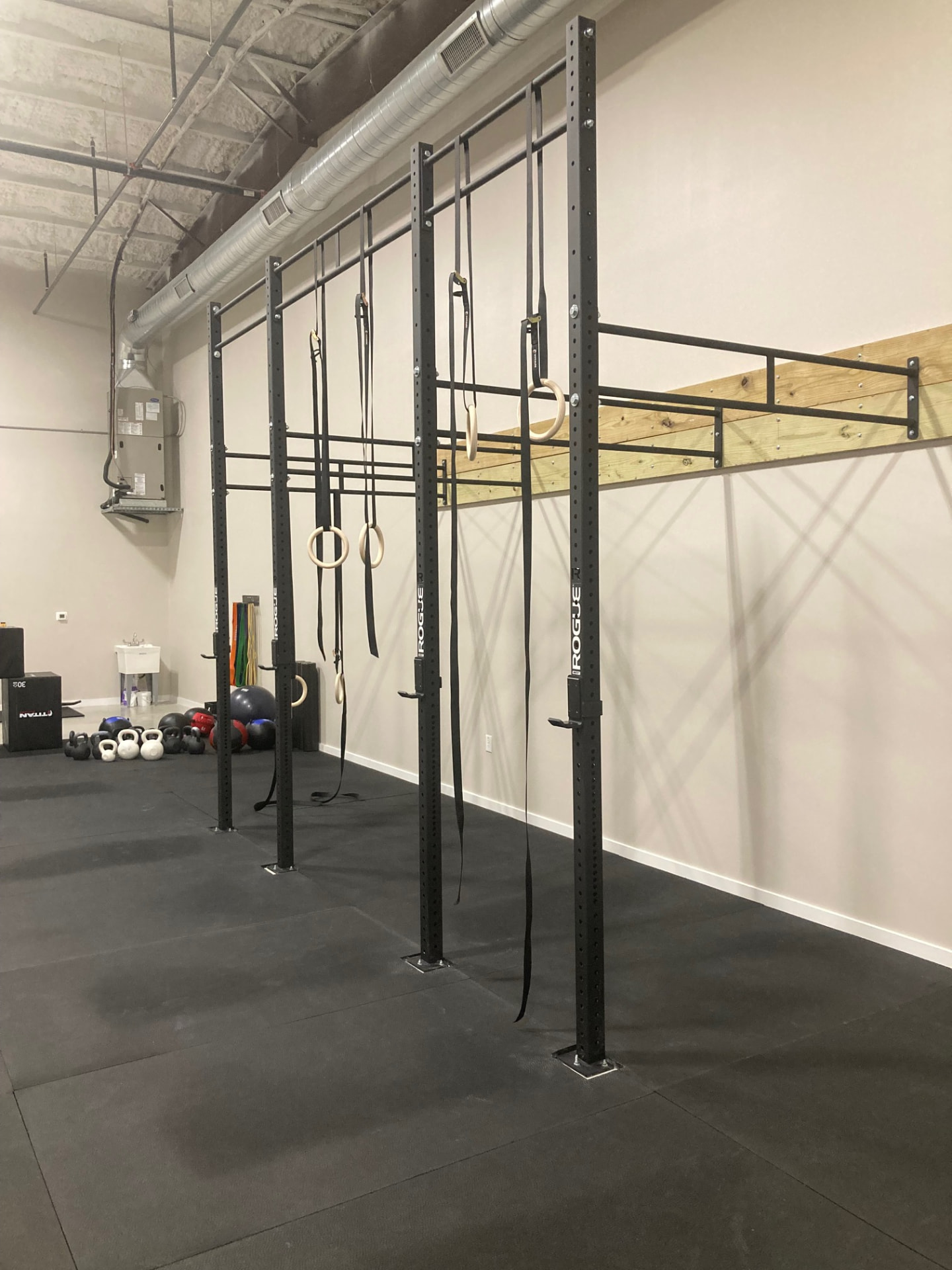
No. The gym is fully equipped with a full range of bells, so you can train for months before deciding whether you want any at home.
What should I bring to my first class?
Flat shoes or bare feet, comfortable clothes you can hinge in, and water. That is it — arrive about ten minutes early and a coach will walk you through the setup.
Start With a Free Class
Come to 401 S. Chitalpa St., Unit 720, Leander, TX. We will size your bell, teach your hinge, and have you swinging properly before you leave.